Example scenario
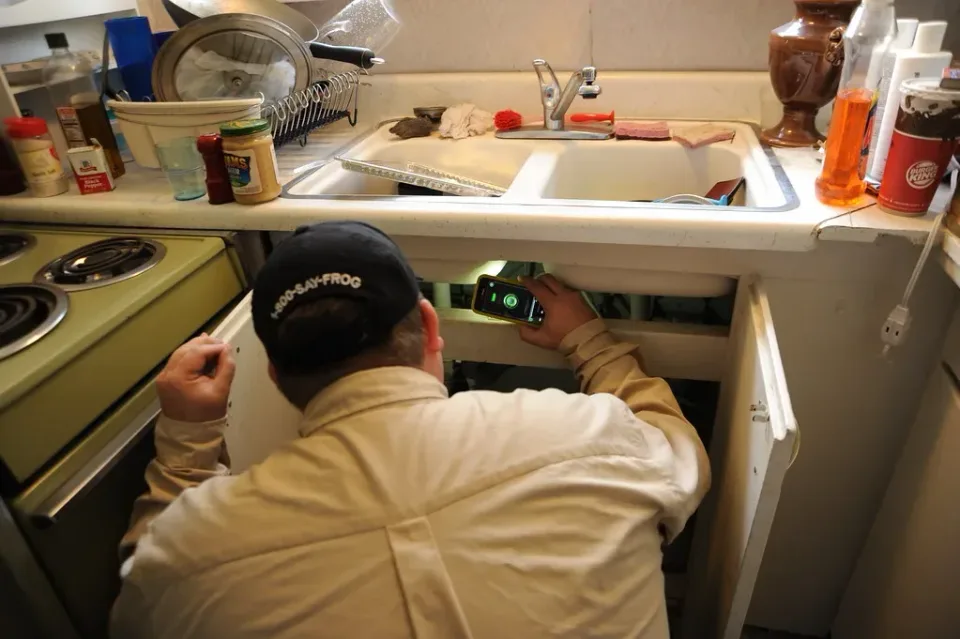
An air conditioner was running but pushing warm air through the house.
The technician tested refrigerant pressures and inspected the coil to find whether the system was low on charge or had a leak, then explained the findings before repairing anything. The homeowner learned that warm air from an AC often traces back to a refrigerant issue or a failing component, and a proper diagnosis prevents charging a system that has a leak.
Example scenario
The first floor of a home had no heat while the rest of the house did.
The crew checked the furnace, thermostat settings, and airflow to the first-floor zone, tracing where heat was being lost before replacing any parts. Partial heat loss usually points to a zone, airflow, or control issue rather than a dead furnace, so a targeted diagnosis keeps the repair small and the whole house warm again.
Example scenario
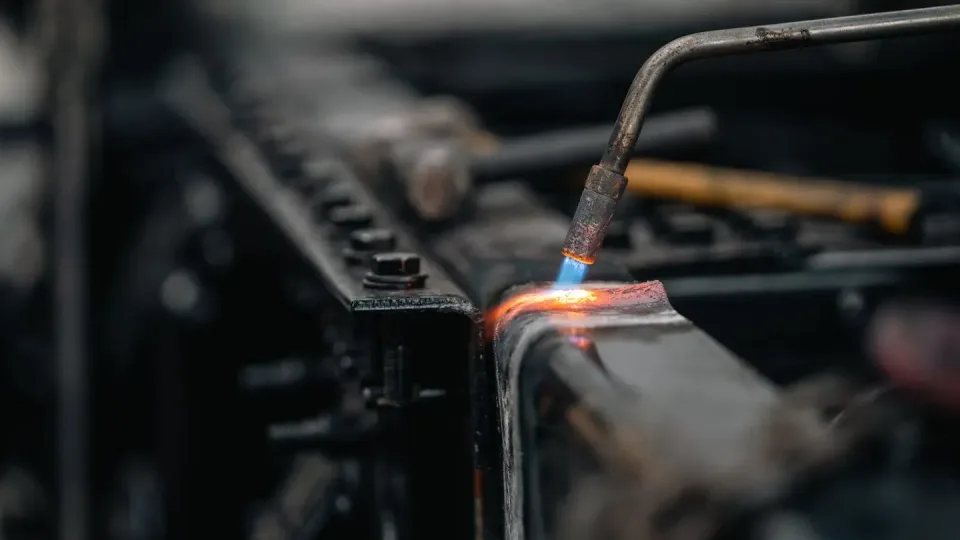
A homeowner wanted an estimate for repairing an aging boiler.
The technician inspected the boiler, identified what was failing, and laid out the repair options with the scope of each written out before any work was scheduled. Getting a written scope first lets you compare repair options on the facts, and a boiler estimate should always follow an on-site inspection, not a phone guess.